
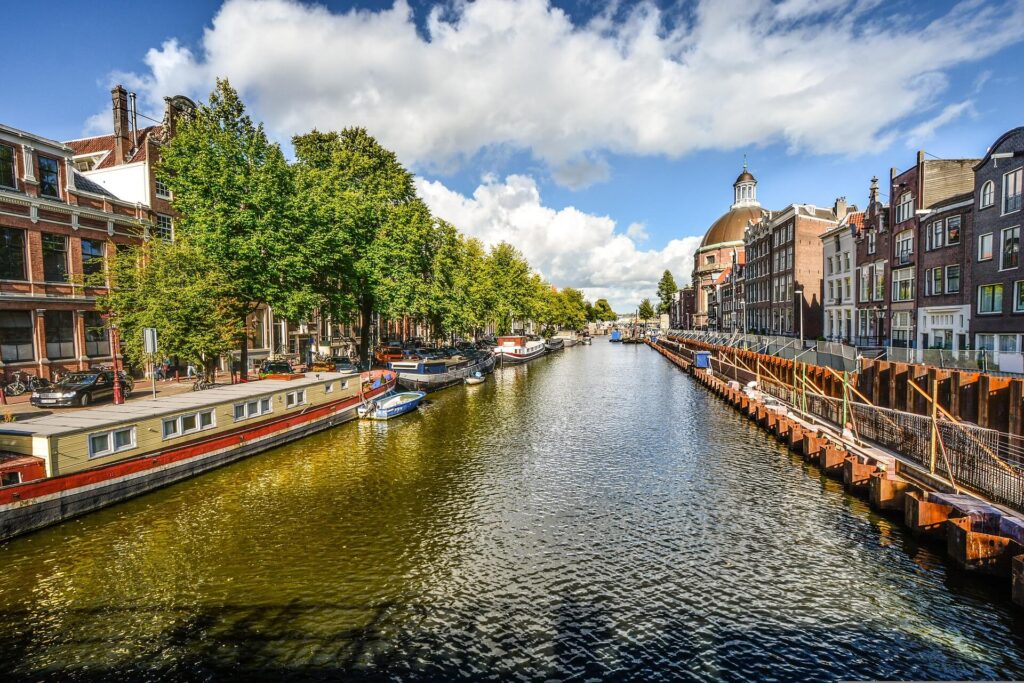
Experience why Amsterdam earned it’s nickname “Venice of the North” as you explore the 17th century Canals. Walk or cycle along the Canal Ring.
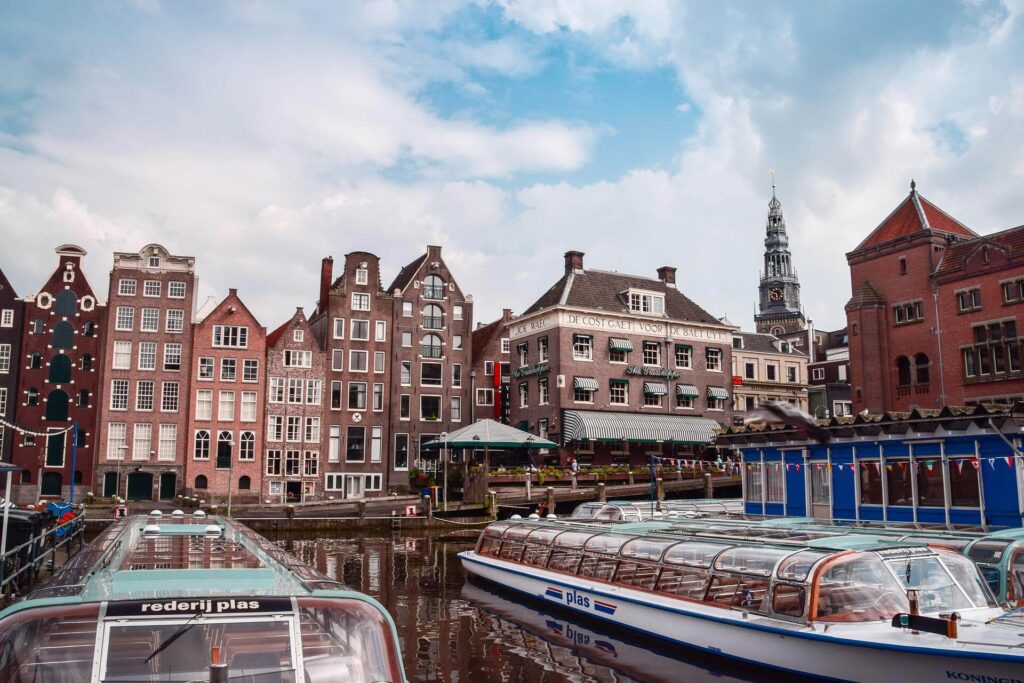
A Canal Boat being the ideal perspective to explore the Canal Ring. See houses, houseboats and the architecture in Amsterdam amidst the Evening Hours.
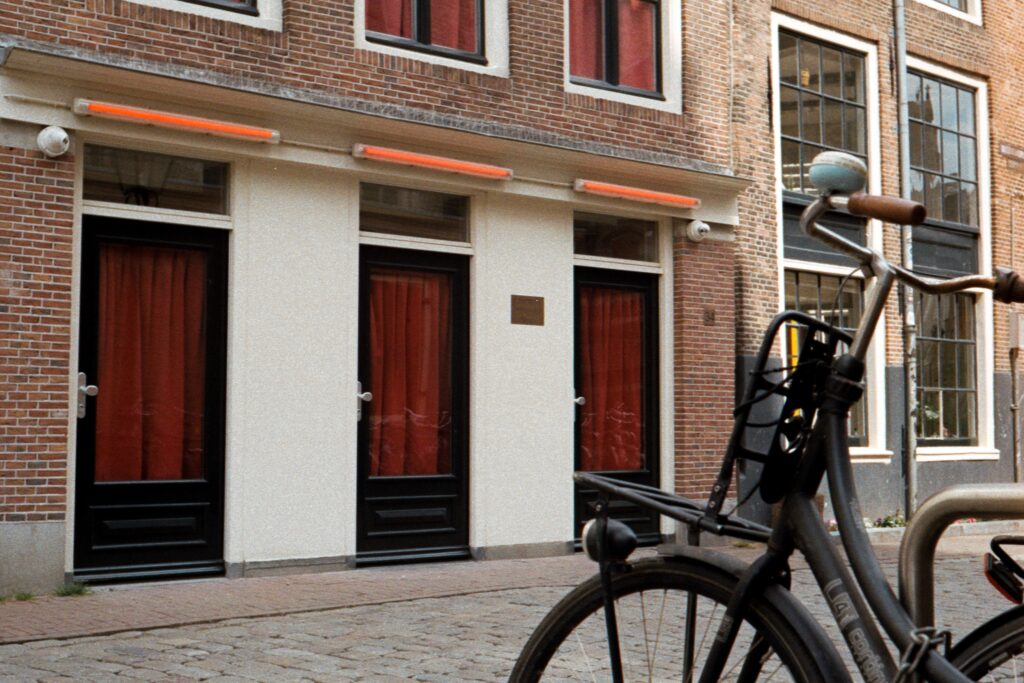
Amsterdam’s Red Light District from Brothels to Sex Stores to Museums. Contrary to popular belief, the District maintains a good aura, hop on a Tour.
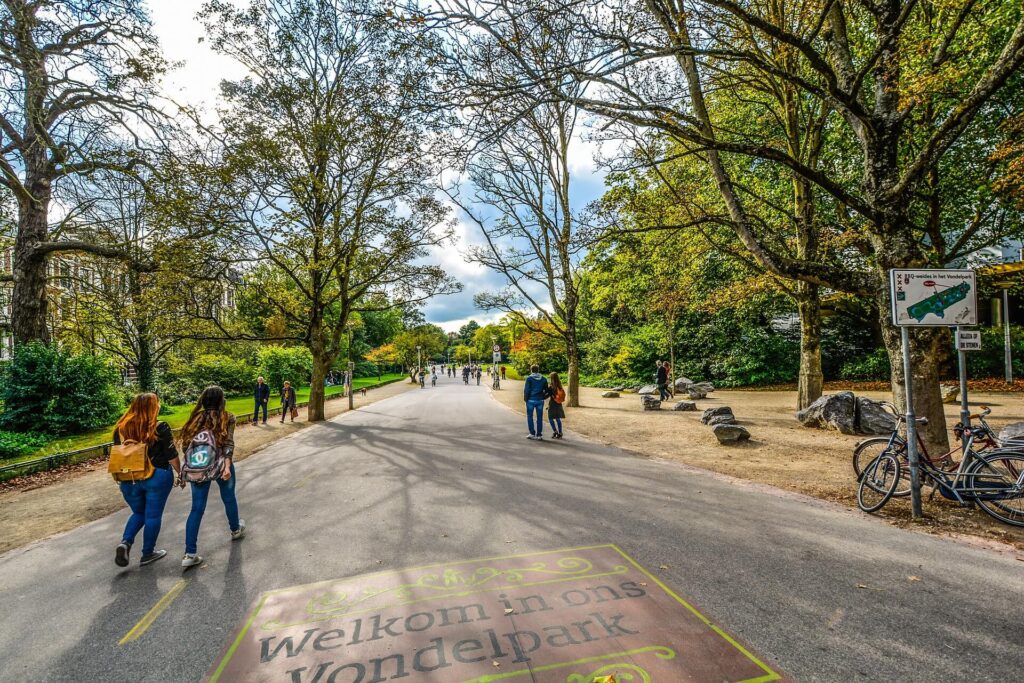
Upon entering Vondelpark, you’ll be transported into another World. The birds and rose garden invite you to relax. Cycle around the park.
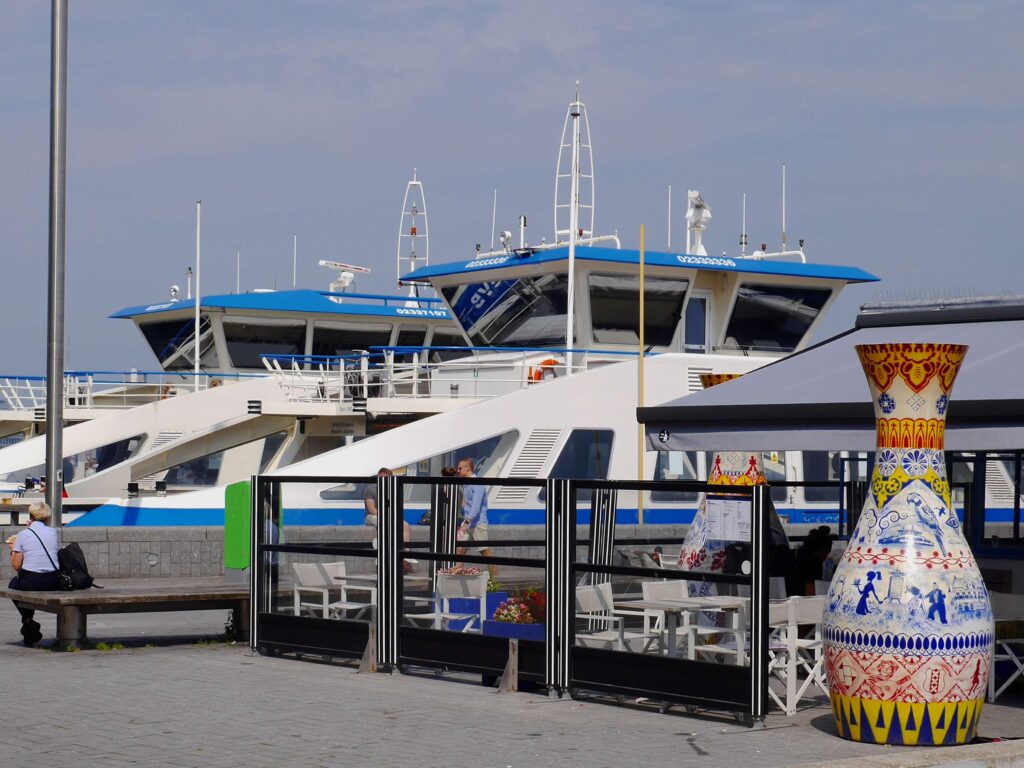
Enjoy complimentary ferry service across the IJ. In Amsterdam Noord, ferries transport you from behind the Central Station.
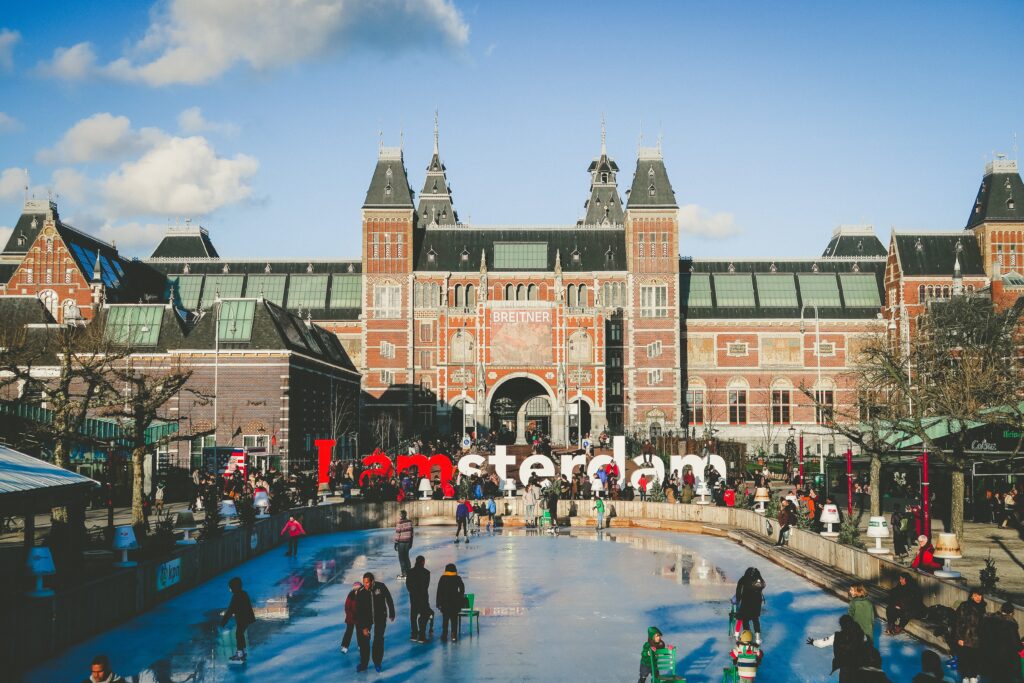
Until December 3, 2018, visitors could see the letters “I amsterdam” on Museumplein. Currently, relocated to Schiphol Plaza. Instagram Spot.
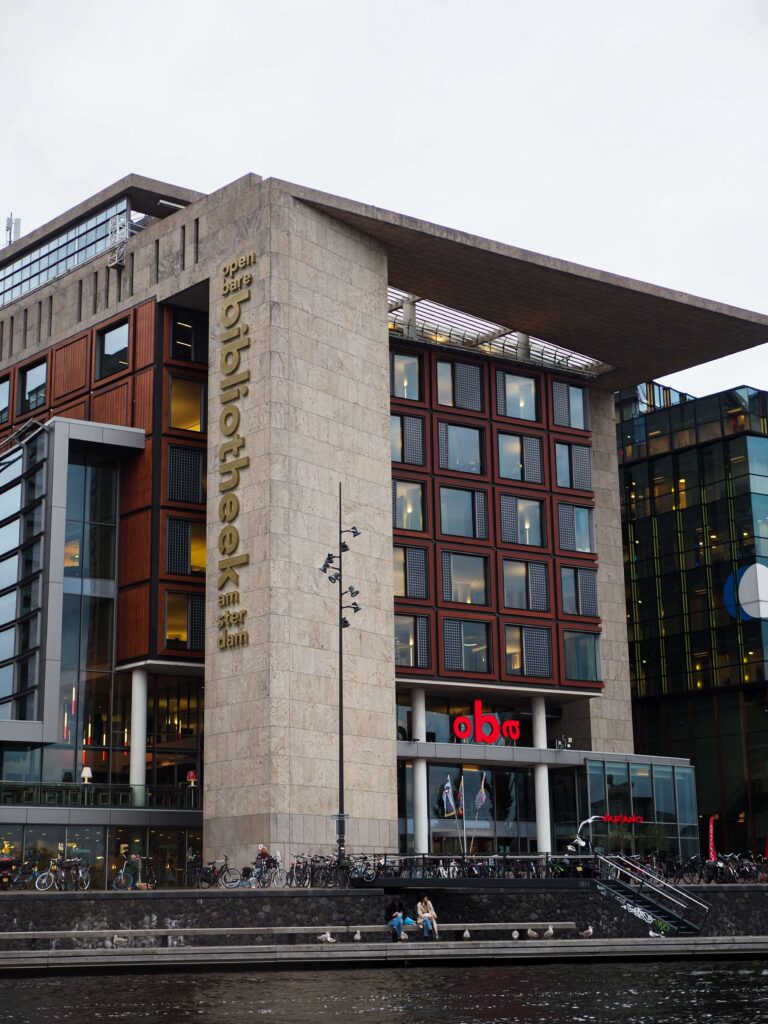
Home to Europe’s second largest Public Library. The facility spans 10 floors of knowledge. When rain dampens outdoor plans, it’s an ideal inside spot.
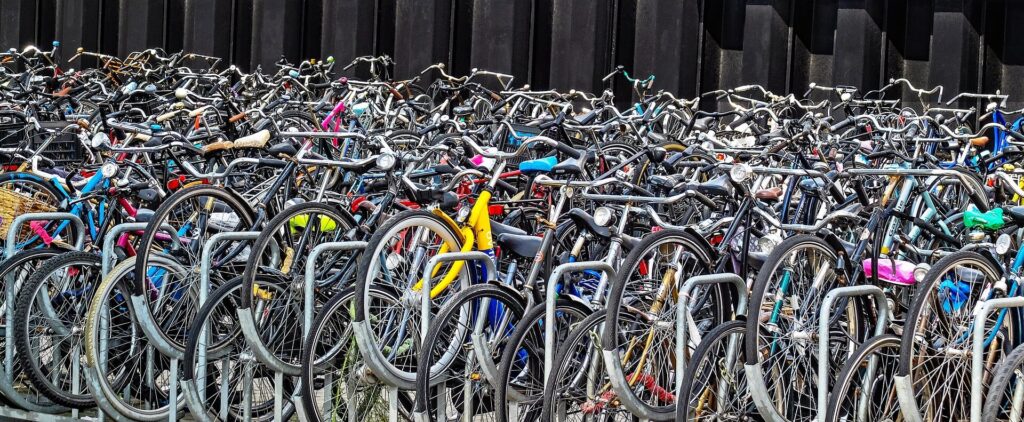
Feel like the locals. Cycling, the effective way to get around Amsterdam. Bike Tours in Amsterdam are essential, whether for a Single or for Multiple Days.

Visit Amsterdam’s Floating Market or Bloemenmarkt. From Monday to Saturday, the Singel Canal is decorated with fresh flowers, join a Tour.
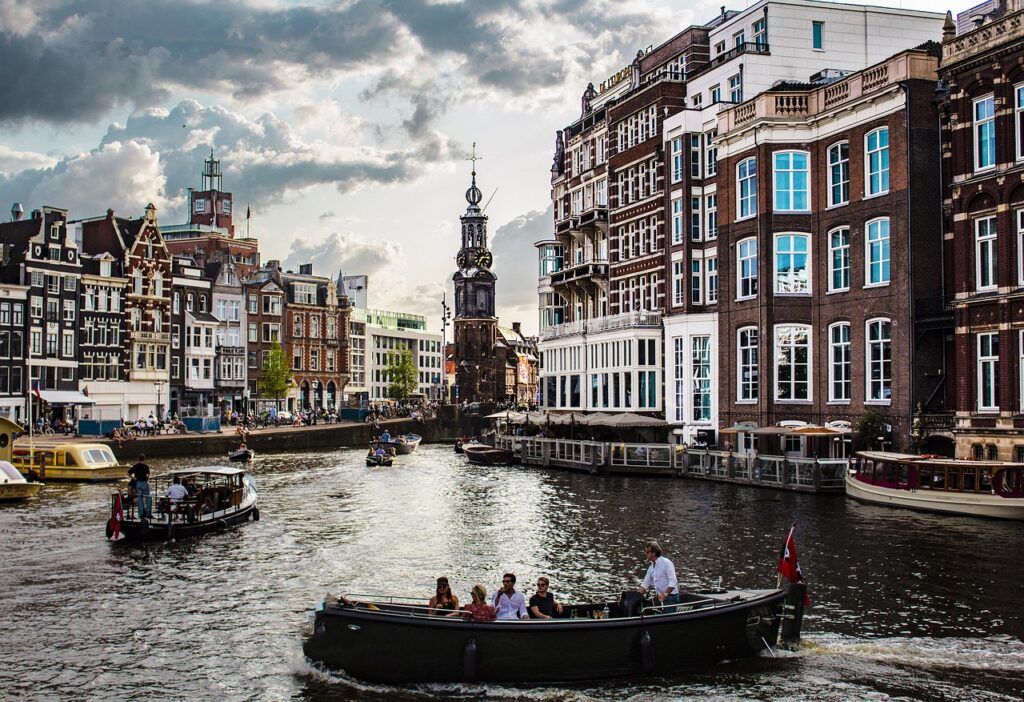
Amsterdam built a reputation taming water no city had any right to control.
Grachtengordel curls around central Amsterdam, a short walk from Centraal Station or any major tram stop. Entry costs nothing. Three 17th-century canals, Herengracht, Keizersgracht and Prinsengracht, stretch roughly 10 kilometres in total, though walking a single canal like Herengracht end to end takes about 90 minutes at a relaxed pace. Spring and early autumn give the clearest light without peak-season crowds.
Amsterdam first dug canals for water management and defence, later for transport. Digging began in 1613, with Herengracht, Keizersgracht and Prinsengracht advancing together from west to east. A second phase from 1663 carried the ring to the Amstel. Singel, the medieval moat, still marks the inner edge. UNESCO designated the district in 2010. Alongside the main canals stand 1,550 monumental buildings. Unlike many UNESCO heritage districts treated as static monuments, the Canal Ring continues serving original purposes. People live here. Boats still move goods. Arguments still happen on the bridges.
Walk along Herengracht and the city’s old social hierarchy surfaces in brick and stone. City rules capped most canal plots at nine metres wide. At the Golden Bend, the richest merchants bought adjoining plots and raised double-wide mansions with sandstone facades while the rest of the city built in brick. Today, the Mayor of Amsterdam’s official residence still occupies number 502, on a stretch dominated by banks and institutional offices rather than residents. Architecture here maps power instead of decorating streets. At the intersection of Reguliersgracht and Herengracht, seven arched stone bridges line up in a perfect row, yet most people walk straight past.
Look past gables most visitors photograph and walk on from. Stop instead for the forward tilt built into many facades, a lean by design, not subsidence. Builders angled fronts slightly toward the street so goods hoisted from the roofline cleared the brickwork. Look up and iron hooks still jut from the top.
From the water, Amsterdam stops being a map and starts making sense.
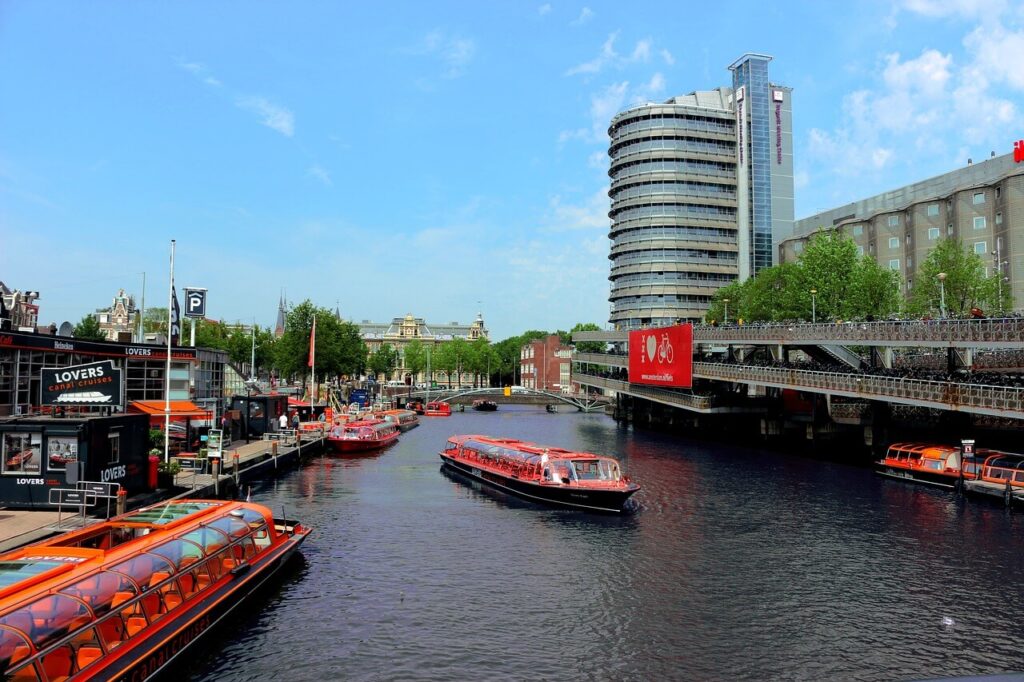
Departures run daily from multiple central points, including Damrak, Centraal Station and the Prinsengracht, with boats leaving roughly every 30 minutes. Standard cruises last 60 to 90 minutes. Adult tickets hover around €17 to €34 depending on the operator and inclusions. Book ahead in summer because queues at walk-up booths run long.
Amsterdam counts 165 canals, more than 100 kilometres of waterway and around 1,500 bridges, outstripping Venice in sheer canal length. Most look best from below.
Routes typically cut through Herengracht’s Golden Bend, past the Anne Frank House, the Skinny Bridge over the Amstel and stretches of the Jordaan where houseboats sit moored with potted plants on deck. Audio guides explain the history of each building and bridge. Some cruises serve wine or cheese. Others stay simple and let the city do the talking.
Passengers crane up at gables while the real story slides by at waterline. Many canal houses rest on wooden piles driven deep into swampy soil. As piles rot and settle, houses sink unevenly and lean into their neighbours. Locals call them dancing houses and unlike the forward tilt of facades, this lean happened by accident. Engineers now replace failing piles with concrete. Look at the rooflines and you’ll see which houses have fought gravity longest.
De Wallen, Amsterdam’s oldest district, dates to around 1385 and every cobblestone holds centuries of unfiltered human history.
Located a 5 to 10-minute walk from Amsterdam Centraal, entry costs nothing and streets stay open around the clock. Since May 2023, authorities ban outdoor cannabis smoking across the Red Light District and fine offenders €100. Coffeeshop terraces remain exempt. Local rules strictly forbid photographing sex workers. Evening visits from around 9pm onward offer the fullest experience. Nevertheless, daytime brings quieter streets and clearer views of architecture.
Winding cobbled lanes hide 14th-century architecture most visitors miss while gawking at neon. The Oude Kerk, Amsterdam’s ancient building, lies directly at the centre of De Wallen. Yes, the Gothic church ringed entirely by window brothels. No photograph prepares you for that contradiction.
De Wallen spans more than 17 alleys and streets with over 200 window brothels. Beyond that, the former brothel Red Light Secrets museum lets visitors sit inside a window, to understand the experience from a worker’s perspective. Well worth an hour. The Hash, Marihuana and Hemp Museum and the Erotic Museum complete the cultural offering.
Look down at the pavement just outside the Oude Kerk’s main entrance. Bronze statue Belle, by sculptor Els Rijerse, bears the inscription “Respect sex workers all over the world”.
Amsterdam’s beloved park, 47 hectares of national monument steeped in 160 years of city character.
Vondelpark, located southwest of the city center, close to the wealthy Old South neighborhood, stays open around the clock, every day of the year. Summer brings peak season, with June through August delivering the best weather and the fullest program of events.
The park opened in 1865 as Nieuwe Park. Jan David Zocher shaped former marshland into English landscape-style parkland, funded by prominent Amsterdam citizens. Dutch poet and playwright Joost van den Vondel’s statue inspired locals’ nickname, which later became official. Vondelpark gained rijksmonument (state monument) status in 1996.
The park attracts more than 10 million visitors annually and packs in plenty: open-air theatre, six children’s playgrounds, several cafes. Besides, a rose garden in the northwest with 63 hexagonal beds holding nearly as many rose varieties. Wild green parakeets now crowd the tree canopy and the first sudden lift of a flock overhead can be startling. In the middle of the park, the circular 1930s Blauwe Theehuis pours coffee and packs the wraparound terrace every dry afternoon.
Most visitors walk straight past the 1e Constantijn Huygensstraat bridge without noticing what’s beneath it. Hidden below lies the Vondelbunker, built as a Cold War atomic air-raid shelter. By the late 1960s, the bunker doubled as a beat-music venue where an early Pink Floyd reportedly played. Today, concerts, film nights and cultural events fill the space. Staircase access hides in plain sight, but reward awaits anyone who finds it.
Amsterdam’s free ferry doubles as public transport and short waterfront cruise, the city’s smartest no-cost ride.
Behind Amsterdam Centraal station on the IJ side, GVB ferries leave throughout the day and several routes cost nothing for pedestrians and cyclists. The most useful lines for visitors are the quick Buiksloterweg crossing and the longer NDSM route. Buiksloterweg line runs 24 hours and commonly takes only a few minutes. No ticket gates, no reservations, no dress code. Join the queue and board when staff wave you on.
The ferries exist because Amsterdam North sits across the water from the historic center and daily life needs reliable links more than scenic extras. Travelers may treat the ferry as hidden attraction, but commuters still come first. You will stand beside office workers, parents with cargo bikes and students checking their phones rather than admiring the skyline. Such realism drives much of the appeal.
The experience depends on route choice. Buiksloterweg drops you near A’DAM Tower and the EYE Film Museum in minutes. NDSM takes longer and feels broader, with cranes, warehouses and open sky replacing canal houses. Wind can be sharp on deck, so bring a layer even in mild weather.
Watch the deck surface. Thousands of tires and shoes have buffed the ribbed steel deck to a shine. The ramp rises and falls with the water level as boats pass. Many visitors miss that constant motion. Underfoot, worn steel lets you feel Amsterdam as working port rather than museum set.
Forget Museumplein, the I amsterdam letters now wait outside Schiphol’s arrivals hall and out in Sloterpark.
Tourists still make their way to Museumplein, expecting to find those giant red-and-white letters that once stood in front of the Rijksmuseum. The letters have been gone since December 3, 2018. At Schiphol, letters stand outside the arrivals hall near the train station end, so you can snap your photo on the way into town. In Sloterpark, find them beside Sloterplas lake in Nieuw-West, where they double as a free-running course, so expect runners to cut through your shot.
The sign was created by the marketing agency KesselsKramer and launched in 2004 as part of a city campaign promoting both tourism and civic identity. Success came, perhaps too easily. By 2016, Amsterdam’s 800,000 residents were hosting an estimated 12 million visitors annually, while projections suggested 42 million people would visit the Netherlands each year by 2030. The city council voted to remove the Museumplein installation after a GreenLeft argued the sign was fueling overtourism.
The letters stood two metres high and stretched 23.5 metres wide and visitors clambered straight on top of them. Most people forget that climbable quality. Rather than posing in front of a passive backdrop, crowds stood inside, sat on and scaled a physical structure, which explains why a limited square buckled under impossible numbers. All that climbing took a toll, the steel-plate letters had a limited lifespan and heavy use eventually wore an earlier set out. Instead of scrapping them, the city had them restored and rebuilt as a free-running course, placed on Sloterplas’s shore. Moving to Sloterpark gave the letters defining trait a proper home. Once treated as a climbing frame, the sign finally became one.
Free to photograph. Free to access. Five minutes max.
Amsterdam’s €80 million library opened in 2007and and still slips past most tourist itineraries.
Openbare Bibliotheek Amsterdam (OBA), the largest public library in the Netherlands. The OBA Oosterdok sits about 500 metres from Amsterdam Centraal Station and ranks second among Europe’s public libraries by floor area. The building spans 10 floors and 28,500 square metres. Entry costs nothing. Opening hours are daily from 10am to 10pm. Tourists rarely plan to come here. You should.
Amsterdam’s public library traces back to 1919, when the city’s first reading room opened in a canal house on Keizersgracht. Nearly nine decades later, the library found a far grander home on Oosterdokseiland, an artificial island just east of Centraal Station. Architect Jo Coenen’s building replaced a former PTT mail sorting centre and opened on 7 July 2007, a date locals remember as 07-07-07. In 2008, the library went on to win the prize for Amsterdam’s most sustainable publicly accessible building, scoring highly for energy efficiency, materials use and waste reduction.
Floors follow subject: literature and comics fill the second, travel and history the third, music and art the fourth. Some 1,200 seats spread across the building, 600 of them beside internet-connected computers. Two working radio stations broadcast live from inside, AmsterdamFM on the first floor and OBA Live on the fourth and anyone can watch. Stand at the glass mid-afternoon and you’ll catch presenters on air, surrounded by Amsterdammers reading only metres away.
The seventh floor gives the best reason to keep climbing. Here, the 300-seat OBA Theatre shares space with a rooftop restaurant whose terrace commands panoramic city views. Lunch runs around €10–15 and that panorama alone justifies the lift ride.
Renting a bicycle in Amsterdam counts less as side activity than as temporary local passport.
Roughly 925,000 residents (2026) share Amsterdam with 904,203 bicycles (2017). Cycling serves as the city’s default mode of transport. More than 400 kilometres of bike lanes thread through town. Curbs or painted lines keep cars out and cyclists get their own traffic signals. Centraal Station’s three-storey Fietsflat once held thousands of bikes until 2023. Today, underwater garages beside the station take around 11,000 (2026). Planners built this city around cyclists long before the rest of the world caught on.
MacBike has rented bikes for over 30 years and maps routes through rural Waterland and along the Amstel for anyone pushing past the canal belt. For shorter hops, app-based Donkey Republic offers flexible rentals by the hour. Then roll onto the free ferry behind Centraal Station and cross the IJ to Amsterdam Noord, the city’s most undervisited cycling district.
Rental shops cluster around Centraal Station, Leidseplein and Waterlooplein. Expect around €10 for a few hours and roughly €15 for a full day. Some shops take a deposit, others hold an amount on your credit card. Most offer e-bikes for a higher fee. Optional theft insurance runs €3 to €5 per day and pays out if you file a police report and return the lock keys. Given Amsterdam’s bike theft rate, take the cover. Finally, cross tram tracks at a sharp angle, never parallel, or the grooves will grab your wheel and throw you.
Somewhere beneath the tulips flows the Singel canal.
Bloemenmarkt stretches along the water between Koningsplein and Muntplein. Since 1862, stalls here have made it the world’s only floating flower market and today they rest on houseboats permanently moored along the canal. Entry costs nothing. Stalls open daily from 9am to 5.30pm, Sundays from 11am. Spring brings undisputed peak season, from March through May stalls explode with colour.
The market took root when farmers ferried flowers in by barge from surrounding regions and sold straight from the water. Tulips had arrived much earlier, imported from Turkey in the 16th century before sparking the now-legendary Dutch tulip mania, when a single bulb could fetch the price of an Amsterdam canal house. The history still lingers over every stall.
The entire market breathes a different scent and specialty and vendors gladly coach you through growing conditions on request. Some locals still buy flowers here, but most stalls now serve tourists hunting bulbs to take home. Many countries require a phytosanitary certificate for imported bulbs and most shops include one with purchase. Go early on a weekday. By midmorning, tour groups clog the narrow passage and charm compresses into mild frustration.
Cross to the opposite bank, then look back. From there, floating platforms come fully into view beneath glasshouse roofs, canal water sliding below while narrow gabled facades rise directly behind. Almost nobody stops for this angle, which makes the photo yours alone.
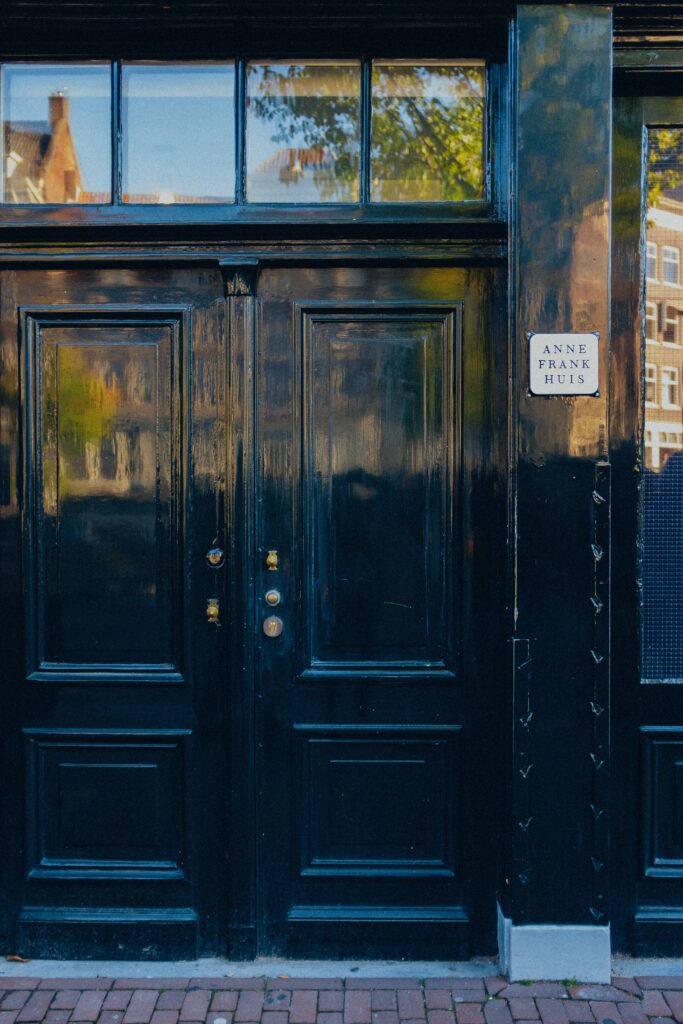
No building in Amsterdam carries more historical weight per square metre.
The Anne Frank House sits on the Prinsengracht canal in the Jordaan district, a 20-minute walk from Central Station or a short ride (lines 13 or 17) to Westermarkt. Adult tickets cost €16.50 and must be booked online in advance for a specific time slot. No tickets are sold at the door. Every Tuesday at 10am, tickets for visits six weeks in advance are released simultaneously. Plan accordingly or risk missing out entirely.
Anne Frank, her family and four others hid from Nazi persecution inside this 17th-century canal house during the German occupation of the Netherlands. For 761 days they stayed hidden, until police raided the annex on 4 August 1944. Police arrested all eight and deported them to concentration camps. Only Otto Frank survived. After the war, Otto returned to Amsterdam and fought to keep Anne’s story alive. Her diary appeared in 1947 and the house opened as a museum in 1960. Around 1.2 million visitors climb those narrow stairs each year, so tickets vanish within minutes of release.
Inside, the experience turns quietly personal. Anne’s original red-checked diary rests in a glass case, alongside her rewritten version on 215 loose sheets and her Quotes Book. Pencil marks on the wall trace her height, recording 13 centimetres of growth during the hiding period. Pins in Otto Frank’s map of Normandy still track Allied advances, a detail that lands harder than any caption. Photography stays banned throughout, forcing a kind of attention screens usually erode. The visit closes in a multimedia space with 15 screens, offering a 3D walkthrough and a video debate on freedom of expression.
Most visitors fixate on the bookcase. Look past it. In Anne’s bedroom, film-star pictures and postcards she glued to the wall still cling in place, the only colour in otherwise empty rooms. Otto left the annex unfurnished on purpose, so visitors would confront what happened here rather than admire objects. Every room feels smaller than you imagine and blackout paper still darkens the windows.
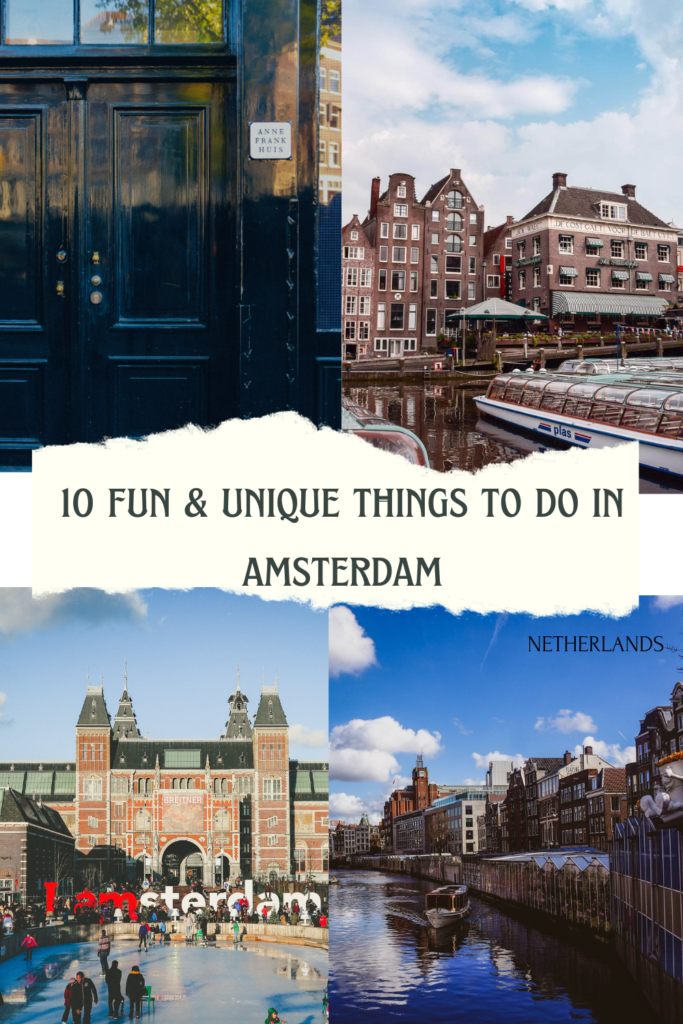
Here’s an outline from key locations:
Cars, buses and trains, the triumphant trio of travel. Providing a variety of choices:

For seamless travel, meet your flight-booking wizards.
Choosing accommodation is like selecting a travel companion—it shapes your journey.
Discover Cars, Buses, and Trains for a journey as memorable as your destination.
Online ticketing platforms have revolutionized travel and entertainment experiences.
Simplifying transactions and currency exchange for a smooth travel money experience.
Credit cards offer benefits like rewards and are useful for easy transactions or purchases.
Providing comprehensive coverage and protection for travelers globally.
Encrypting your connection, hides your IP address, and defense against cyber threats.